
Spinal Stenosis in Athletes: How Sports Physical Therapy Can Help
Understanding Spinal Stenosis in Sports
Spinal stenosis occurs when the spaces within your spine narrow, placing pressure on the nerves that travel through the spinal canal. This can lead to back or neck pain, leg or arm weakness, and reduced mobility—all of which can sideline an athlete.
While medication or injections may offer short-term relief, athletes often need movement-based care for long-term results. That’s where sports physical therapy comes in. At St. Pete Physical Therapy, we focus on restoring function, improving performance, and preventing future injuries without surgery.
Why Athletes Are at Higher Risk
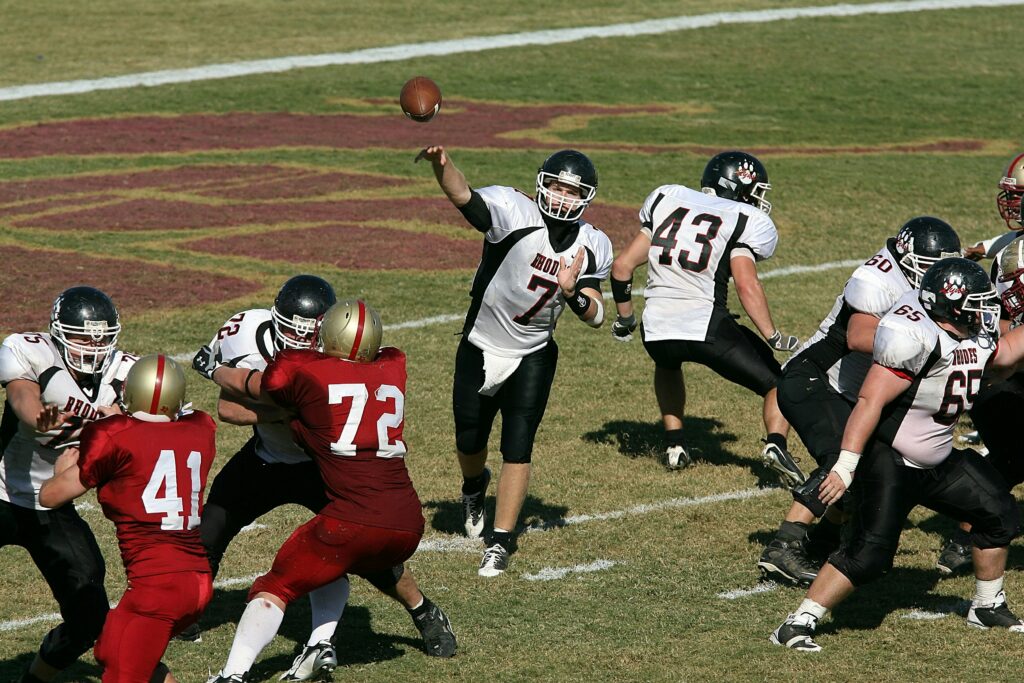
Sports that involve frequent spinal extension—such as football (especially linemen), cheerleading, dance, and gymnastics—place significant stress on the spine. Repeated backward bending can accelerate wear and tear, increasing the risk of spinal stenosis at a younger age.
Common Symptoms Athletes Should Watch For
- Persistent low back or neck pain
- Numbness or tingling in the arms or legs
- Weakness that affects performance
- Difficulty walking or running long distances
- Relief when bending forward or sitting
These symptoms often develop gradually and can interfere with training, competition, and daily life.
Can Sports Physical Therapy Help?
Absolutely. Sports physical therapy is a first-line approach for managing spinal stenosis in athletes. Instead of masking pain, therapy addresses the underlying movement issues that contribute to symptoms and performance limitations.
What Does a Sports Rehab Plan Include?
At St. Pete Physical Therapy, every plan is customized for your sport and position, but most programs include:
- Postural training to reduce pressure on the spinal canal
- Core and hip strengthening for better spinal support
- Mobility drills for the hips and thoracic spine to limit excessive lumbar extension
- Manual therapy to ease stiffness and improve flexibility
- Sport-specific movement retraining to keep you performing at your best
Education is key—we teach athletes how to modify movements during practice and competition to protect their spine.
Activities Athletes Should Avoid (and When to Reintroduce Them)
Initially, activities that place excessive extension pressure on the spine—such as prolonged standing, overhead lifting, or deep backbends—may worsen symptoms.
However, depending on your symptoms and the stage of recovery (acute, subacute, or chronic), these positions should not be avoided forever. At some point, gradual exposure combined with strength and stability training in those positions becomes essential, especially if you plan to keep playing your sport.
Your physical therapist will guide you through a progressive plan to safely reintroduce these movements so you can return to competition stronger and more resilient.
Do You Need a Referral or Imaging?
No referral. No doctor’s script. No doctor’s visit. No MRI or imaging is required to get started at St. Pete Physical Therapy.
We make it easy for athletes to begin care immediately so you can address pain and protect your performance without unnecessary delays.
Take Control of Your Spine Health
Managing spinal stenosis isn’t just about pain relief—it’s about protecting your performance and longevity in your sport. With a tailored sports physical therapy program at St. Pete Physical Therapy, you can stay strong, mobile, and competitive.
📞 Call us today or book online to schedule your sports rehab evaluation. Don’t wait until pain sidelines you—start building a stronger, more resilient spine now.