
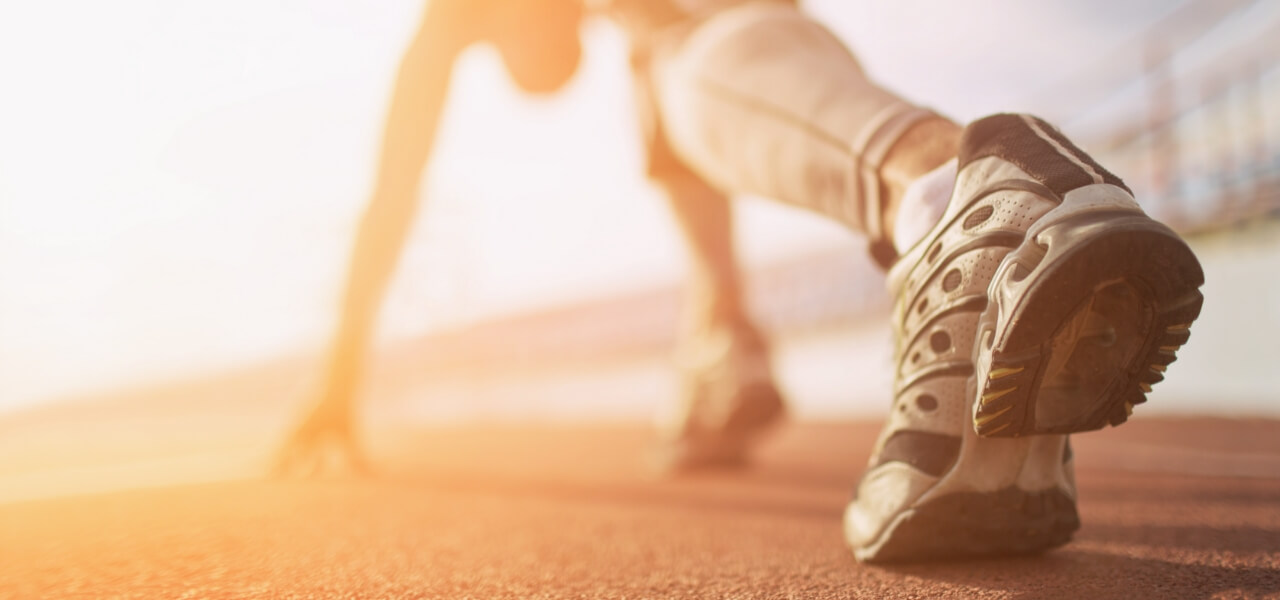
Overcoming Knee Rehabilitation Challenges: A Runner’s Journey Back to the Trail
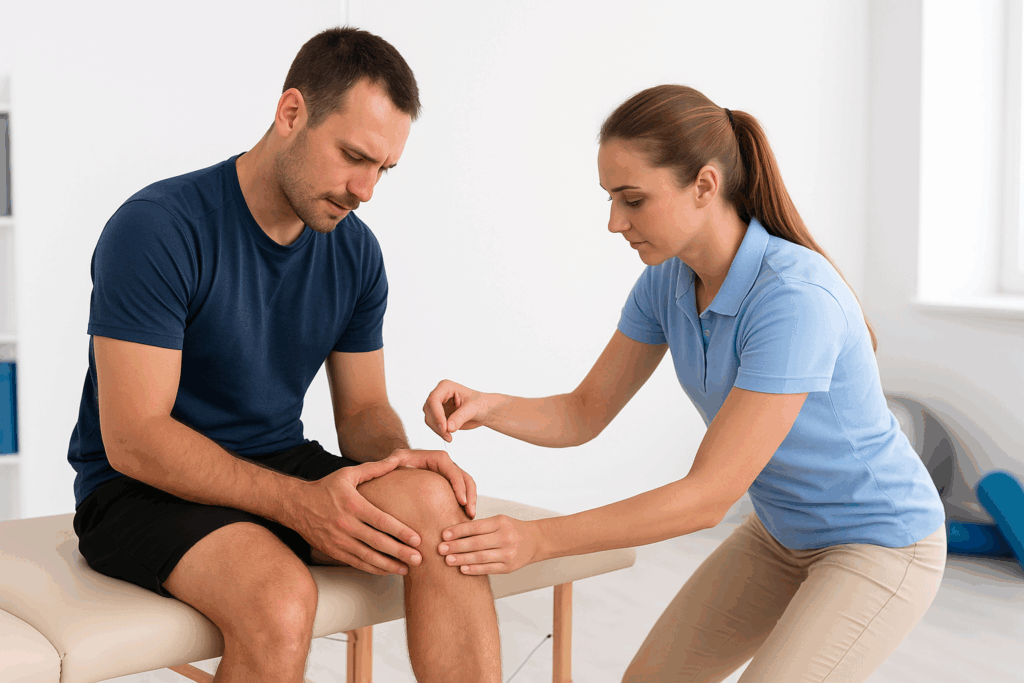
Meet Cameron (not his real name), a passionate runner and devoted father who loved chasing personal bests on the trail — until a stubborn knee injury sidelined him. Suddenly, even walking down the stairs or playing with his kids became painful.
Like many runners, Cameron faced frustrating knee rehabilitation challenges: persistent pain, limited mobility, and the slow grind of rebuilding strength and stability. But through a structured, sports physical therapy program at St Pete Physical Therapy, he not only returned to running — he was able to complete multiple 10Ks pain-free and confident.
If you see yourself in Cameron’s story, know that recovery is possible. Our team of sports physical therapists in St. Petersburg, FL specializes in helping runners, athletes, and active adults overcome knee pain and get back to what they love most.
Understanding Knee Rehabilitation Challenges
Knee pain can stem from overuse, poor movement patterns, or an acute injury. One common source is patellofemoral pain syndrome (PFPS) — often called “runner’s knee.” It’s a frequent cause of discomfort in runners and athletes who place repetitive stress on the knee joint.
Common Symptoms of Knee Injuries
1. Persistent Knee Pain
A dull ache or sharp pain around or behind the kneecap, often worse with running, squatting, or climbing stairs.
2. Swelling and Tenderness
Inflammation can develop after activity or over time, making the knee feel sore, puffy, or warm to the touch.
3. Limited Mobility
Pain or stiffness can make it difficult to fully bend or straighten the knee, restricting movement during workouts and daily life.
4. Popping or Grinding Sensation
Grinding, popping, or clicking often signals structural changes within the joint, like cartilage wear or tissue irritation.
These symptoms don’t just affect athletic performance — they impact your confidence and quality of life.
What Causes Knee Pain in Runners and Athletes?
Knee injuries rarely come from one single cause. Instead, they develop from a combination of factors that gradually overload the joint.
At St Pete Physical Therapy, we often see knee pain linked to:
Overuse Injuries
Repetitive impact from running, jumping, or cutting movements can overload the knee joint without adequate recovery.
Muscle Weakness or Imbalances
Weak glutes, quads, or hamstrings can alter running mechanics and increase knee stress.
Mobility Restrictions
Limited motion at the ankle, hip, or knee changes how force is absorbed during running — leading to compensations and pain.
Poor Biomechanics
Faulty running form or alignment issues (like knee valgus or overstriding) can put extra strain on the patellofemoral joint.
Traumatic or Degenerative Conditions
Meniscus tears, ligament injuries (like ACL sprains), or early arthritis can also contribute to knee instability and pain.
How Physical Therapy Helps You Overcome Knee Pain
Physical therapy doesn’t just treat symptoms — it addresses the root cause of pain through movement assessment, targeted exercise, and education.
At St Pete Physical Therapy, we use a performance-based approach tailored to active individuals and athletes.
Step 1: Comprehensive Movement Assessment
We evaluate knee function, strength, mobility, and biomechanics — from squats and lunges to running analysis. This helps us identify exactly what’s contributing to your pain and movement limitations.
Step 2: Individualized Strength & Mobility Program
Your exercise plan targets weak links, improves hip–knee–ankle coordination, and restores dynamic stability. This might include strength work, neuromuscular control drills, and mobility exercises specific to your sport.
Step 3: Manual Therapy and Dry Needling for Faster Progress
Our therapists use hands-on techniques such as joint mobilization, soft tissue work, and dry needling with e-stim to relieve pain, reduce muscle tension, and improve mobility. These techniques accelerate recovery and help you move with less restriction.
Step 4: Education & Load Management
We teach you how to modify training volume, improve running form, and build better recovery habits — because lasting results come from what you do both in and outside the clinic.
Step 5: Gradual Return to Sport
Once your strength and control improve, we reintroduce running, plyometrics, and sport-specific drills. This ensures a safe, confident return to your active lifestyle.
Cameron’s Success Story
Through consistent physical therapy, Cameron regained strength, mobility, and confidence. His personalized program helped him correct movement inefficiencies, strengthen his hips and quads, and improve his running mechanics.
A few months later, he was back to running — completing multiple 10Ks without pain, proving that recovery and performance can coexist with the right rehab approach.
Ready to Tackle Your Knee Pain?
Don’t let knee pain keep you off the field, the trails, or the gym floor. Whether you’re a competitive runner, weekend warrior, or active parent, our team at St Pete Physical Therapy can help you overcome your knee rehabilitation challenges and move better than ever.
👉 Call our clinic in St. Petersburg, FL today or schedule your visit online to start your recovery journey.