
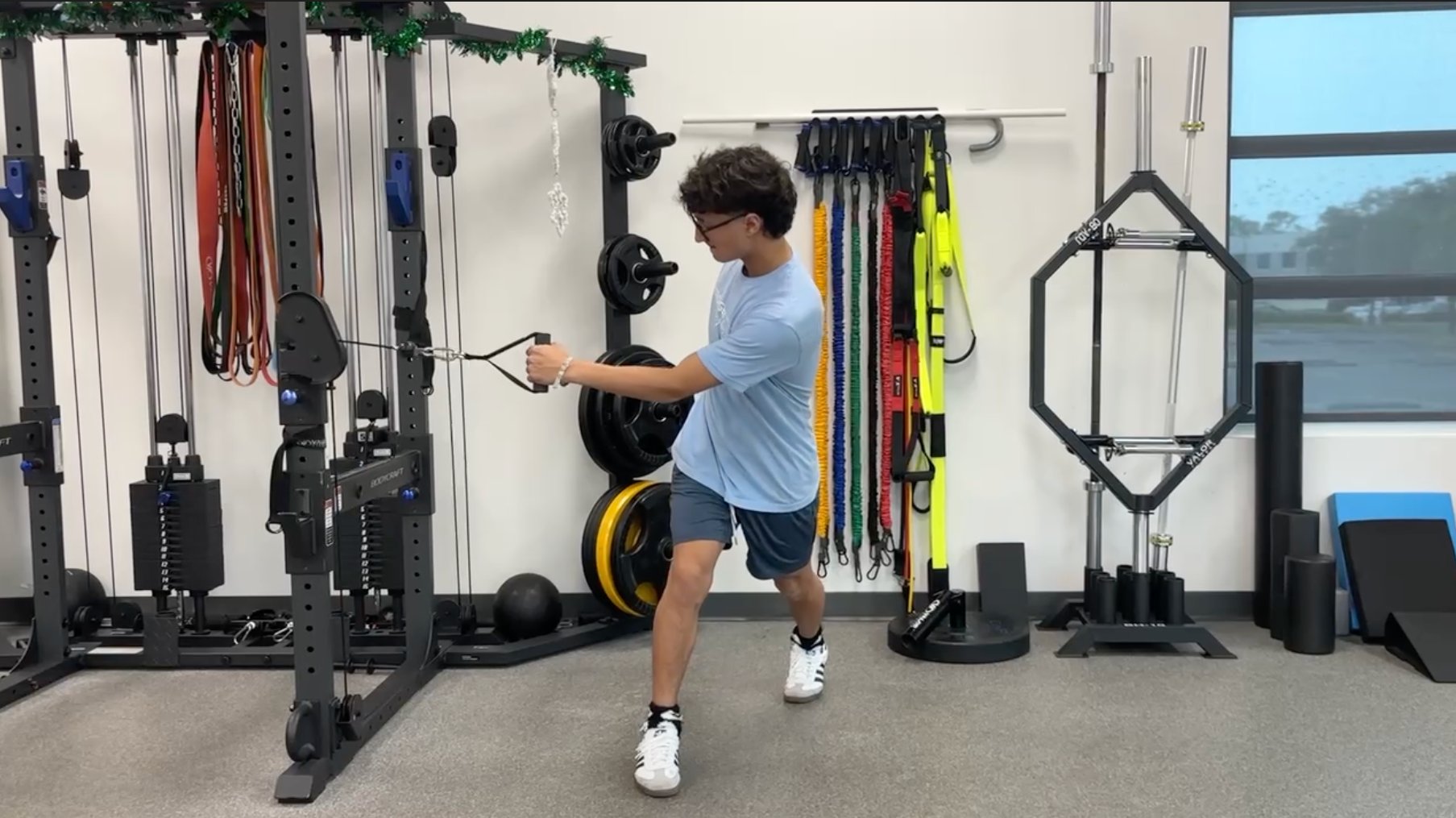
Specialized Care for Labral Tears and SLAP Injuries
At St. Pete Physical Therapy, we help athletes and active individuals overcome shoulder instability and rebuild the strength needed to throw, lift, and compete at full capacity. Our specialized physical therapy for labral tears and SLAP injuries in St. Petersburg, FL treats the condition as a stability and mechanics issue that responds to targeted, progressive strengthening, not passive rest alone. As a team of Doctors of Physical Therapy specializing in athletic rehabilitation, our mission is to reduce pain, restore shoulder stability, and rebuild durability for the long term.
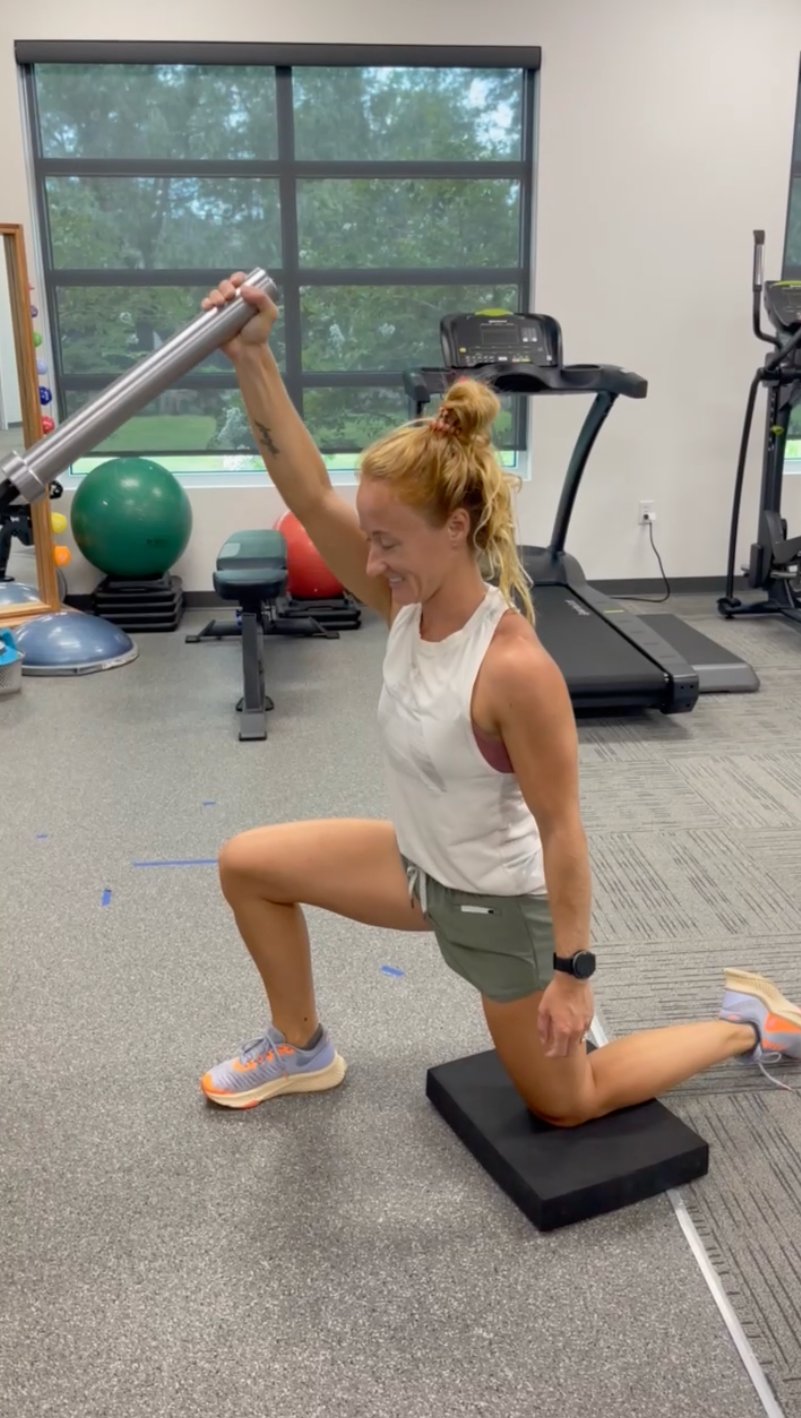
Understanding Labral Tears and SLAP Injuries in Athletes
The labrum is a ring of cartilage that deepens the shoulder socket and anchors the biceps tendon, providing critical stability during overhead and rotational movement. SLAP tears specifically involve the top portion of the labrum where the biceps tendon attaches, common in throwing, swimming, and overhead lifting athletes. Athletes seek out specialized physical therapy for labral tears and SLAP injuries because they want to address the underlying instability and mechanics driving the injury, not just manage symptoms until the next flare-up.
When to Address a Labral Tear or SLAP Injury
Catching shoulder instability early prevents compensation patterns that place added stress on surrounding structures. Common situations where a physical therapy evaluation provides immediate value include:
- Feeling a deep, catching, or popping sensation in the shoulder during overhead motion
- Experiencing a decline in throwing velocity or overhead lifting strength
- Noticing shoulder instability or a sense that the joint may slip during activity
- Struggling with pain during the late cocking phase of throwing
- Recovering from labral repair surgery and needing a structured rehab plan
- Wanting objective strength and stability testing before returning to overhead sport
- Seeking a plan that maintains conditioning while protecting the healing shoulder
Common Labral and SLAP Presentations We Address
Labral injuries vary by location and severity, and our specialists tailor treatment to the specific presentation:
- Type II SLAP Tears: The most common SLAP variant, involving detachment of the labrum and biceps anchor, addressed through progressive stability training.
- Anterior Labral Tears: Often linked to shoulder instability events, requiring focused strengthening of the dynamic stabilizers.
- Posterior Labral Tears: Frequently seen in throwing athletes, addressed through kinetic chain correction and rotator cuff strengthening.
- Post-Surgical Labral Repair: Following surgical repair, we guide patients through protected healing and progressive return to overhead activity.
A Data-Driven Framework for Shoulder Stability Recovery
Our approach to labral and SLAP rehab begins with a comprehensive evaluation of shoulder mobility, strength symmetry, and dynamic stability. We let the numbers, not assumptions, drive your plan. We isolate the specific mechanical hurdles limiting your shoulder and build a progressive plan that restores stability while respecting healing timelines. We use VALD force plates to verify your strength and symmetry are ready before the next phase.
Core components of our labral and SLAP rehab program include:
- Shoulder Stability Assessment: Measuring dynamic stability and identifying compensations contributing to strain.
- Progressive Strength Training: Rebuilding rotator cuff and scapular stabilizer strength to support the joint through overhead demand.
- Throwing and Overhead Mechanics Retraining: Refining movement patterns to reduce repetitive stress on the labrum.
- Kinetic Chain Evaluation: Assessing hip, core, and thoracic mobility to ensure proper force transfer through the arm.
- VALD-Based Return-to-Sport Testing: Objective strength and asymmetry data before clearance to throwing or overhead activity.
- Modified Activity Planning: Structuring training to maintain conditioning while protecting the healing shoulder.
Why St. Pete Physical Therapy Leads in Sports Physical Therapy
Sports physical therapy is our specialty, not a sideline. Our team includes three board-certified Sports Clinical Specialists — a credential relatively few physical therapists hold — one of whom is also a board-certified Orthopedic Specialist, alongside additional orthopedic-certified and CSCS-certified clinicians. Your recovery is guided by Doctors of Physical Therapy who understand the demands of your sport at an expert level.
- Objective return-to-sport testing. We use VALD force-plate technology to measure your strength and left-to-right symmetry, so you’re cleared to return by data — not a guess or the calendar. Most clinics can’t offer this.
- A true rehab-to-performance bridge. Through St. Pete Sports Performance, our in-house strength and conditioning division, recovery doesn’t stop at “healed.” We carry you through to the power, speed, and control your sport demands.
- Sport-specific from day one. Your plan is built around your sport’s real demands — cutting, throwing, sprinting, landing — plus your position, level, and point in the season.
- Straight answers, every step. You’ll always know exactly where you stand and what it will take to get back.
Your Initial Movement Evaluation
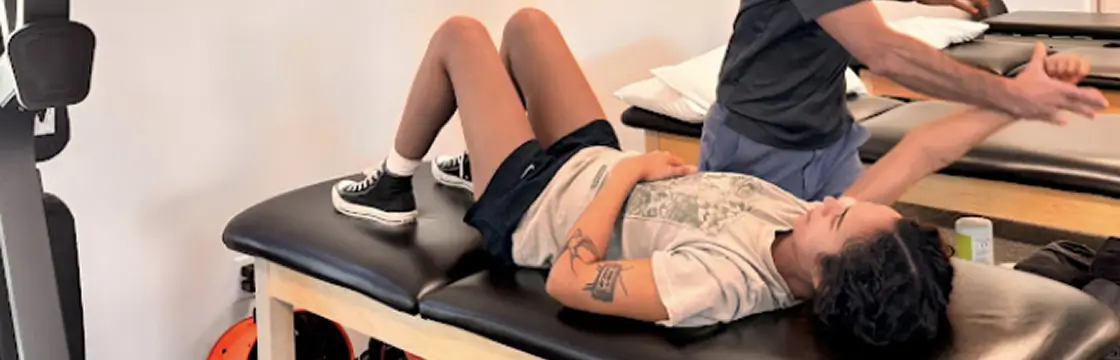
Your first visit includes a thorough review of your training history, sport demands, and shoulder symptoms, followed by a hands-on assessment of mobility, strength, and stability. You’ll leave with a clear understanding of your shoulder mechanics and a personalized plan to guide recovery.
Rebuild Stability and Get Back to Competing
If a labral tear or SLAP injury is limiting your throwing, lifting, or overhead performance, a physical therapy evaluation is the next step toward full recovery. Request an appointment in St. Petersburg, FL with St. Pete Physical Therapy today.
Labral Tears and SLAP Injuries FAQs
Can physical therapy help a labral tear or SLAP injury without surgery?
How long does labral or SLAP injury rehab take?
Will I be able to return to throwing after a SLAP injury?
Ready to Move Better ?
Whether you are recovering or training, your next step starts here.
You don’t have to figure this out alone. We will build a plan around your goals so you can get back to doing what you love with confidence.