
Specialized Care for Plantar Fasciitis
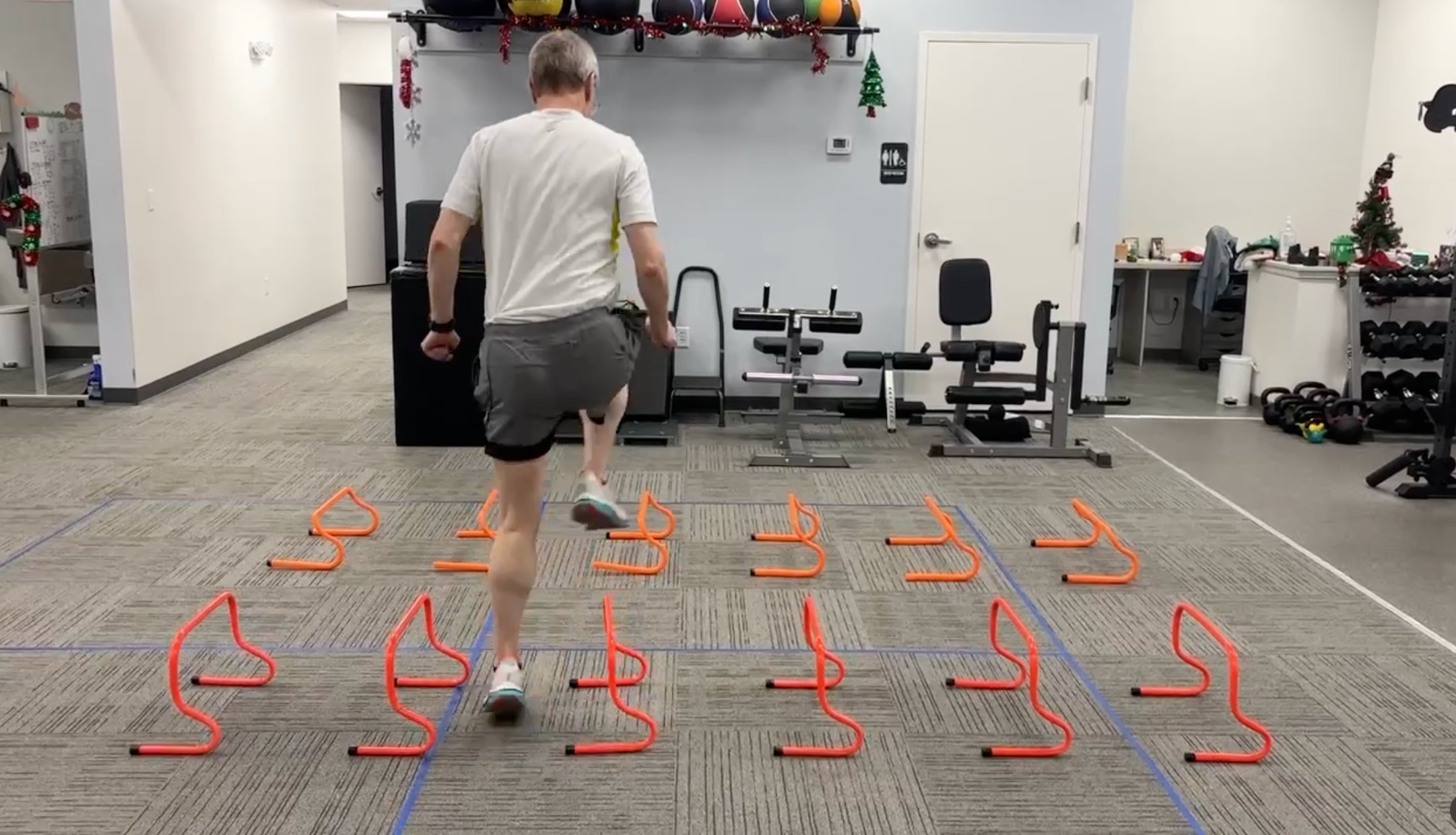
At St. Pete Physical Therapy, we help athletes and active individuals resolve heel and arch pain and rebuild the strength needed to run, jump, and train without limitation. Our specialized physical therapy for plantar fasciitis in St. Petersburg, FL treats the condition as a mechanical and strength issue, not something to simply stretch and hope resolves. As a team of Doctors of Physical Therapy specializing in athletic rehabilitation, our mission is to reduce pain, restore full foot function, and build a resilient foundation for high-impact movement.
Understanding Plantar Fasciitis in Athletes
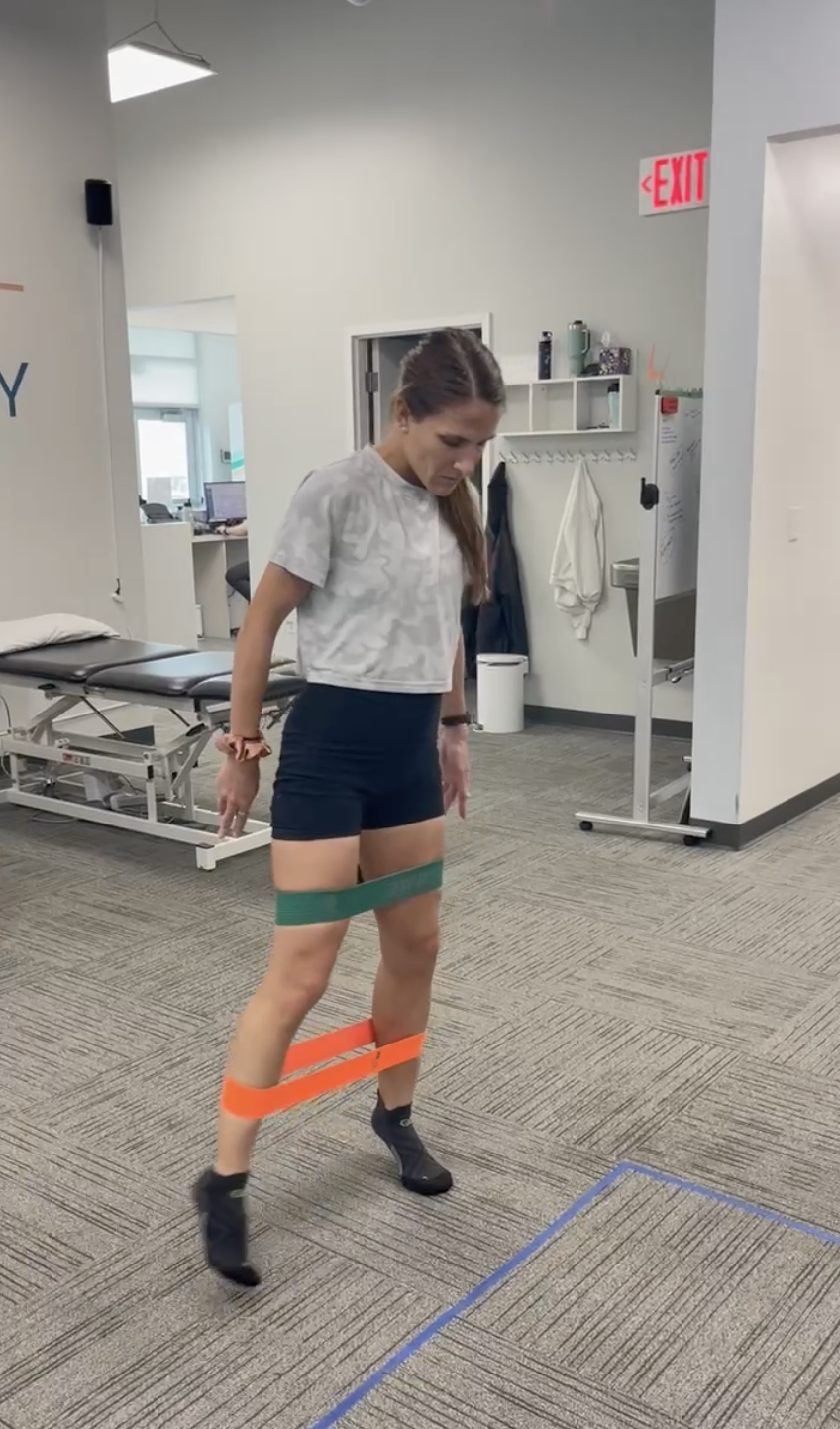
The plantar fascia is a thick band of tissue running along the bottom of the foot, supporting the arch and absorbing shock during running and jumping. Irritation occurs when this tissue is overloaded beyond its capacity, often from a sudden increase in training volume, inadequate footwear, or underlying mechanical inefficiencies. Athletes seek out specialized physical therapy for plantar fasciitis because they want to address the underlying mechanical cause, not just manage the pain with rest and ice.
When to Address Plantar Fasciitis
Catching plantar fasciitis early prevents compensation patterns that can lead to knee, hip, or low back pain. Common situations where a physical therapy evaluation provides immediate value include:
- Feeling sharp heel pain with the first steps in the morning
- Experiencing pain that worsens after prolonged standing or running
- Noticing tightness or stiffness along the arch of the foot
- Struggling with pain that limits running distance or intensity
- Dealing with recurring plantar fasciitis from a previous training cycle
- Wanting objective movement testing to identify mechanical contributors
- Seeking a modified training plan that maintains conditioning during recovery
Common Plantar Fasciitis Presentations We Address
Plantar fasciitis varies in cause and severity, and our specialists tailor treatment accordingly:
- Acute Plantar Fasciitis: Recent-onset irritation typically linked to a sudden change in training volume or footwear, addressed through progressive loading and mobility work.
- Chronic Plantar Fasciitis: Long-standing irritation requiring a more structured, phased strengthening progression.
- Running-Related Plantar Fasciitis: Overuse from repetitive impact, managed through gait analysis and mechanics correction.
- Plantar Fasciitis with Calf Tightness: Irritation compounded by restricted ankle mobility, addressed through targeted mobility and strengthening work.
A Data-Driven Framework for Plantar Fasciitis Recovery
Our approach to plantar fasciitis rehab begins with a comprehensive evaluation of foot and ankle mobility, strength symmetry, and running or movement mechanics. We measure, rather than assume, where you stand. We isolate the specific mechanical factors contributing to your pain and build a progressive plan that restores function while respecting healing timelines. We use VALD force plates to verify your strength and symmetry are ready before the next phase.
Core components of our plantar fasciitis rehab program include:
- Foot and Ankle Mobility Assessment: Measuring range of motion and identifying restrictions contributing to strain.
- Progressive Strength Training: Rebuilding calf, foot, and ankle strength to support the plantar fascia.
- Running and Movement Mechanics Retraining: Refining stride and foot strike patterns to reduce repetitive stress.
- Kinetic Chain Evaluation: Assessing hip and ankle mobility to ensure proper force distribution through the foot.
- VALD-Based Return-to-Activity Testing: Objective strength and asymmetry data before clearance to running and jumping.
- Modified Activity Planning: Structuring training to maintain conditioning while protecting the healing tissue.
Why St. Pete Physical Therapy Leads in Sports Physical Therapy
Sports physical therapy is our specialty, not a sideline. Our team includes three board-certified Sports Clinical Specialists — a credential relatively few physical therapists hold — one of whom is also a board-certified Orthopedic Specialist, alongside additional orthopedic-certified and CSCS-certified clinicians. Your recovery is guided by Doctors of Physical Therapy who understand the demands of your sport at an expert level.
- Objective return-to-sport testing. We use VALD force-plate technology to measure your strength and left-to-right symmetry, so you’re cleared to return by data — not a guess or the calendar. Most clinics can’t offer this.
- A true rehab-to-performance bridge. Through St. Pete Sports Performance, our in-house strength and conditioning division, recovery doesn’t stop at “healed.” We carry you through to the power, speed, and control your sport demands.
- Sport-specific from day one. Your plan is built around your sport’s real demands — cutting, throwing, sprinting, landing — plus your position, level, and point in the season.
- Straight answers, every step. You’ll always know exactly where you stand and what it will take to get back.
Your Initial Movement Evaluation
Your first visit includes a thorough review of your training history and symptoms, followed by a hands-on assessment of foot and ankle mobility, strength, and movement quality. You’ll leave with a clear understanding of your foot mechanics and a personalized plan to guide recovery.
Run and Train Without Limitation
If plantar fasciitis is limiting your training and performance, a physical therapy evaluation is the next step toward full recovery. Request an appointment in St. Petersburg, FL with St. Pete Physical Therapy today.
Plantar Fasciitis FAQs
How long does plantar fasciitis take to heal?
Can I keep running with plantar fasciitis?
Why does my plantar fasciitis keep coming back?
Ready to Move Better ?
Whether you are recovering or training, your next step starts here.
You don’t have to figure this out alone. We will build a plan around your goals so you can get back to doing what you love with confidence.