
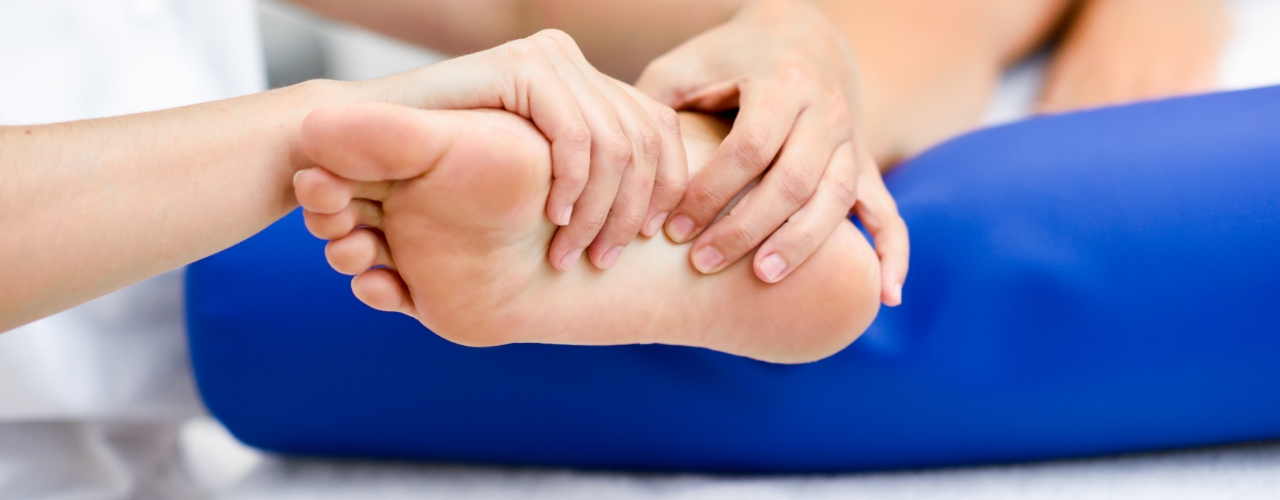
Physical Therapy is the Right Choice for Treating Foot Pain
Did you know that foot pain affects over 75% of people? Sometimes, the pain is mild and resolves on its own. But other times, the pain is debilitating enough to interfere with even the most daily tasks. If your foot pain keeps you from your favorite activities, the physical therapists at St. Pete Physical Therapy will help you find a solution that works!
Foot pain can stem from various conditions, including plantar fasciitis, bunions, hammertoes and bone stress injuries. We’ll help you identify which condition is causing your issues, then provide you with a customized treatment plan that addresses your particular needs, symptoms, and goals.
If necessary, our physical therapists can also provide customized footwear, orthotics, and other effective drug-free treatment options like therapeutic exercise and manual therapy. No matter what you need, we want you to get the results you’re looking for.
By employing a blend of proven treatment methods, we’ll help you to conquer your foot pain and restore your ability to complete daily activities. You’ll be able to walk, work out, and go about your everyday life without pain or impairment.
Schedule an appointment at our St. Petersburg, FL physical therapy clinic to get started on a scientifically-backed treatment for your ankle pain.

Understanding the Common Causes of Foot Pain
To provide the most effective treatment for your foot pain, it’s important that we get at the pain’s source. Once the physical therapists at St. Pete Physical Therapy know what’s causing your pain, we can identify the best course of treatment to address your unique needs.
Here are some of the most common sources of persistent foot pain:
- Plantar Fasciitis: The plantar fascia is a thick band of tissue connecting the heel to the toes. When it becomes inflamed, it can cause sharp pain in the heel or arch of the foot. Usually pain is most severe after walking and when first putting weight through the foot after a period of non weight bearing such as sleeping or sitting.
- Bunions: These bony protrusions can form at the base of the big toe joint, causing the big toe to angle inward and leading to pain, swelling, and discomfort.
- Metatarsalgia: This condition refers to pain and inflammation in the ball of the foot. Overuse, improper footwear, or high-impact activities are all common causes.
- Bone Stress Injuries: The most severe case of a bone stress injury is also known as a stress fracture. Weakness of the bone results from an imbalance between bone breakdown and remodeling of the bones of the foot. It is usually a result from the repetitive impact of running or other high-impact activities. They cause localized pain and tenderness, often in the metatarsal bones (the long bones in the middle of the foot) or the heel bone.
- Flat Feet: A condition occurs when the foot arch collapses or is underdeveloped, potentially leading to pain and discomfort in the feet, ankles, or lower leg.
- High Arches: An excessively high arch of the foot can cause pain, instability, and increased pressure on the ball and heel of the foot.
- Hammertoes: This condition refers to an abnormal bending of one or more toe joints, creating an unusual appearance and painful pressure points.
- Tarsal tunnel syndrome: The tarsal tunnel is a groove for a nerve that runs from the lower leg down to the foot. If that nerve is irritated or pinched, it can lead to often-debilitating pain and inflammation. Common symptoms include sharp, shooting pain, tingling and numbness, or a burning sensation.
- Morton’s Neuroma: This condition refers to a thickening of the tissue around the nerve that leads to the toes, causing sharp pain, numbness, or tingling in the ball of the foot.
While there are many potential sources of foot pain, physical therapy is a proven treatment option to reduce discomfort, improve mobility, and help you get back to the activities you love.
Schedule your appointment at St. Pete Physical Therapy today!

Achieve Your Goals With St. Pete Physical Therapy

“St. Pete Physical Therapy has been amazing. Not that I ever want someone injured, but if you are and you need to get back right- come here. The facility is clean, has all the proper equipment, and the staff is amazing! I worked with Makayla and she was incredible- extremely knowledgeable, kind, respectful, and encouraging. They know their stuff here- HIGHLY recommend!!! I broke my foot in four places and I wasn’t sure how long it’d take and I’m already back running again. Didn’t think it would happen and I’m so excited that I have healed properly. It takes patience, but it’s worth it. Thank you St. Pete Physical Therapy!”
“”I can’t put into words how amazing Jen as a person, and a PT! She is incredibly knowledgeable when it comes to returning to running, sports, and higher-level activity. Jen listens with genuine care, takes the time to understand your goals, and tailors her approach to fit your unique needs. Her kindness, patience, and expertise are incredible—and she has a way of making you feel seen, supported, and confident in your progress. Truly one of the best physical therapists I’ve worked with!””I am a college athlete that came in with an ankle injury. I not only got that healed quickly, but Melissa went above and beyond to identify a weakness in my glutes and help me retrain my gate to run more efficiently! The whole staff is so friendly and welcoming, would recommend this place to anyone!”
Finding Foot Pain Relief with Physical Therapy
Physical therapy has proven to be a powerful and effective solution for foot pain. Our expert physical therapists conduct a comprehensive evaluation to understand the root cause of your discomfort and create a personalized treatment plan tailored to your specific condition, symptoms, and goals.
At your initial appointment, our physical therapists will thoroughly review your symptoms and health history, then perform a comprehensive, hands-on assessment to identify any structural or functional issues. We’ll perform a range of motion tests, strength tests, proprioception (body awareness) assessments, gain analyses, and balance and coordination tests and exercises.
Why do we go in-depth in our assessment? Because it gives us a complete understanding of your condition, helping us to identify any injuries or impairments that may contribute to your foot pain. From there, we can customize a treatment plan around your exact needs.
Our evidence-based interventions are designed to reduce pain, improve tissue and joint mobility, enhance strength, and restore overall function. Here are just of the approaches we might take in your treatment:
- Plantar Fasciitis: The plantar fascia is a thick band of tissue connecting the heel to the toes. When it becomes inflamed, it can cause sharp pain in the heel or arch of the foot. Usually pain is most severe after walking and when first putting weight through the foot after a period of non weight bearing such as sleeping or sitting.
- Bunions: These bony protrusions can form at the base of the big toe joint, causing the big toe to angle inward and leading to pain, swelling, and discomfort.
- Metatarsalgia: This condition refers to pain and inflammation in the ball of the foot. Overuse, improper footwear, or high-impact activities are all common causes.
- Bone Stress Injuries: The most severe case of a bone stress injury is also known as a stress fracture. Weakness of the bone results from an imbalance between bone breakdown and remodeling of the bones of the foot. It is usually a result from the repetitive impact of running or other high-impact activities. They cause localized pain and tenderness, often in the metatarsal bones (the long bones in the middle of the foot) or the heel bone.
- Flat Feet: A condition occurs when the foot arch collapses or is underdeveloped, potentially leading to pain and discomfort in the feet, ankles, or lower leg.
- High Arches: An excessively high arch of the foot can cause pain, instability, and increased pressure on the ball and heel of the foot.
- Hammertoes: This condition refers to an abnormal bending of one or more toe joints, creating an unusual appearance and painful pressure points.
- Tarsal tunnel syndrome: The tarsal tunnel is a groove for a nerve that runs from the lower leg down to the foot. If that nerve is irritated or pinched, it can lead to often-debilitating pain and inflammation. Common symptoms include sharp, shooting pain, tingling and numbness, or a burning sensation.
- Morton’s Neuroma: This condition refers to a thickening of the tissue around the nerve that leads to the toes, causing sharp pain, numbness, or tingling in the ball of the foot.
By utilizing these scientifically proven treatments, the physical therapists at St. Pete Physical Therapy in St. Petersburg, FL will help you conquer foot pain. You’ll be back on your feet–and back to a healthy, active lifestyle–in no time!
Schedule your consultation today to find a solution that works!
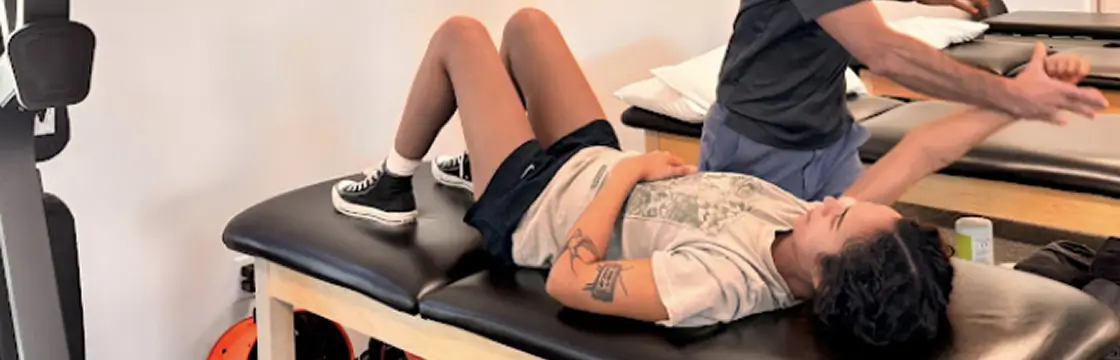
Ready to Move Better ?
Whether you are recovering or training, your next step starts here.
You don’t have to figure this out alone. We will build a plan around your goals so you can get back to doing what you love with confidence.