
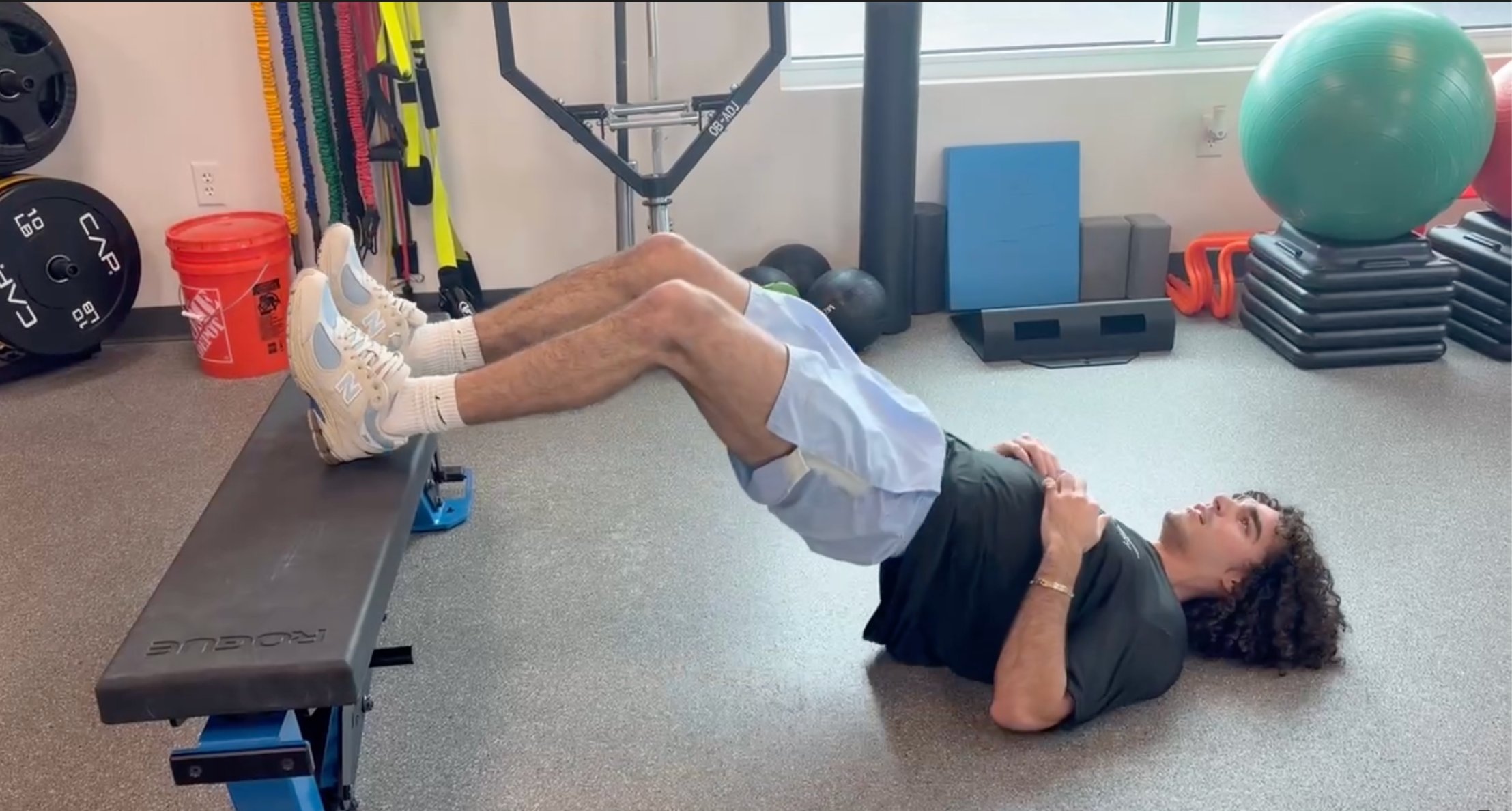
Performance Physical Therapy for Pelvic Apophysitis
At St. Pete Physical Therapy, we help young athletes shut down hip and groin pain and get their speed back. Our physical therapy for pelvic apophysitis in St. Petersburg, FL looks at how the hips, pelvis, and core handle the hard, fast forces of sprinting, cutting, and kicking.
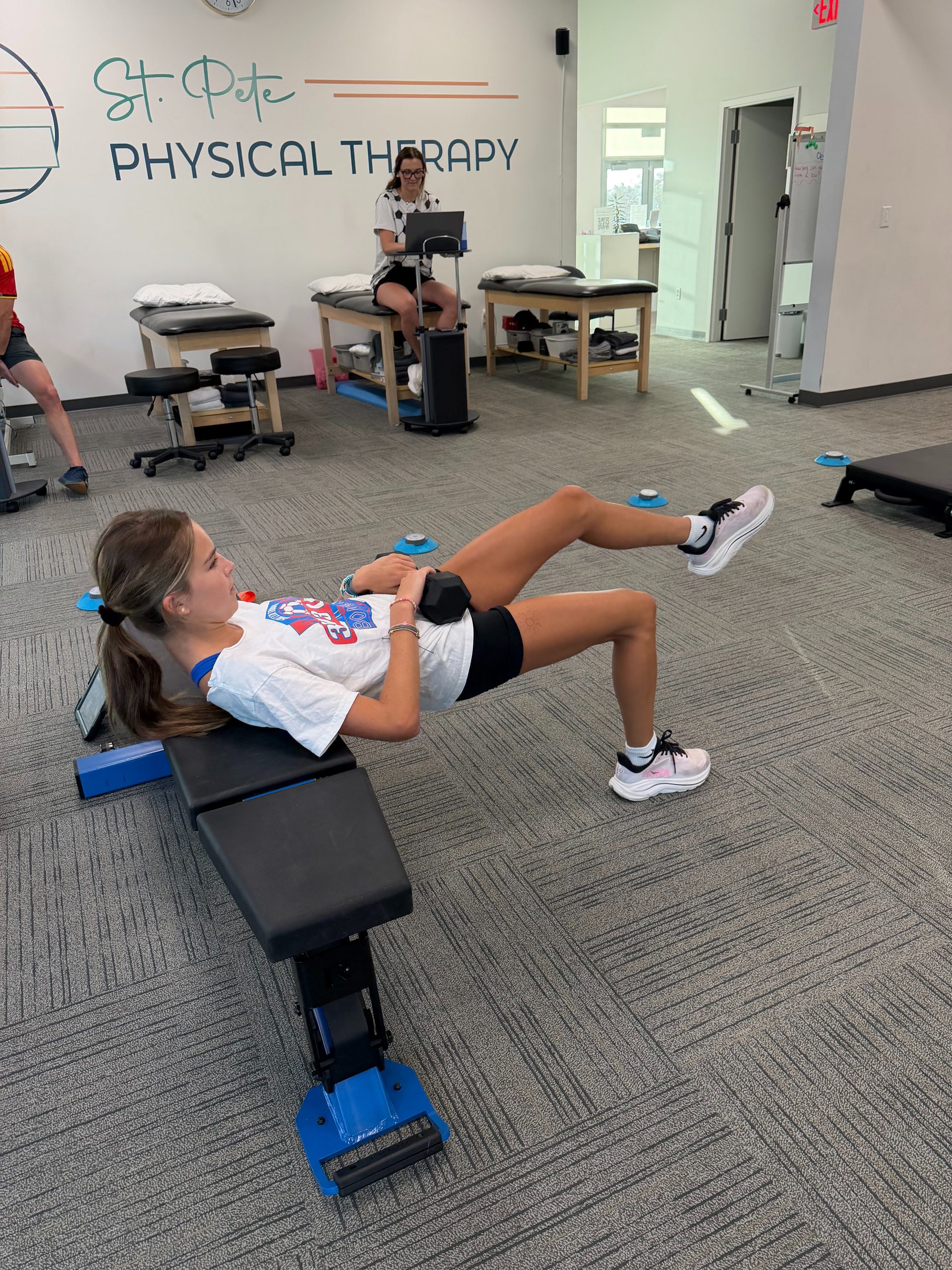
Powerful muscles attach to the growth centers of the pelvis, and during a growth spurt they pull hard on cartilage that hasn’t finished hardening. We don’t tell athletes to sit out the season and wait. We treat pelvic apophysitis as a loading and movement problem: ease the strain on the sore attachment, clean up sprint mechanics, and build the hip and core strength to handle full speed. The result is less pain and a faster, more durable athlete.
Understanding Pelvic Traction Stress
Pelvic apophysitis is a traction injury that affects growing runners, soccer players, sprinters, and field athletes. Strong muscles — the hamstrings, quads, hip flexors, and abdominals — attach directly to the pelvis’s growth centers. During a growth spurt, muscles and tendons tighten, which increases the pull on those sensitive spots during fast movements.
Athletes come to us when they feel groin soreness, deep hip pain when kicking, or stiffness when they try to accelerate. The goal is to catch it early, correct the mechanics, and build capacity — before the pull becomes an avulsion, where the tendon tears away a piece of the growth center.
When to Get Your Sprint and Hip Mechanics Evaluated
Catching traction stress early keeps pelvic apophysitis from turning into an avulsion fracture or ending a season. An evaluation shows how the hips, core, and legs work together at high speed — and where the strain is landing. Book one if you’re:
- Feeling ongoing hip-flexor, groin, or pelvic pain after sprint sessions or games.
- Getting sharp pain at the front or side of the hip during hard acceleration or kicking.
- Noticing a drop in top speed, stride length, or agility.
- Fighting hamstring tightness or limited hip extension when running.
- Coming back from a pelvic strain and wanting a safe return-to-sport plan.
- Running out of hip or trunk power late in practices or matches.
Pelvic Growth-Center Conditions We Treat
Sprinting and cutting load specific attachment sites on the pelvis. We build targeted plans for each:
- ASIS Stress: traction where the sartorius attaches, from repeated hip flexion and sprinting. We restore hip-extension mobility and balance the quads and hip flexors.
- AIIS Stress: strain at the rectus femoris attachment from explosive kicking and acceleration. We manage quad load and improve hip-flexor flexibility.
- Ischial Tuberosity Stress: pull at the hamstring attachment on the sit-bone during high-speed running. We build posterior-chain strength and improve pelvic position.
- Iliac Crest Stress: irritation along the top of the hip from the abdominals pulling during rotational movements. We train core control and trunk stability.
How We Treat Pelvic Apophysitis
We start by measuring hip mobility, pelvic control, hamstring capacity, and core strength — so the plan is built on real numbers. From there we keep the upper body and conditioning sharp while the sore tissue calms down, then rebuild toward full speed in stages. A typical program includes:
- A look at running mechanics to fix excessive pelvic tilt or overstriding.
- Pelvic and core work to give the trunk a stable base.
- Glute and hamstring strengthening to absorb stride and landing forces.
- Mobility work for the hips, ankles, and spine to smooth out running form.
- A step-by-step sprint program that rebuilds speed with controlled acceleration.
- Balance and timing drills for smooth, joint-friendly power.
Why Families Choose St. Pete Physical Therapy for Pelvic Apophysitis
Our specialists work like performance consultants for growing athletes. Every progression is backed by what we measure, and we keep athletes, parents, and coaches on the same page about the plan and the timeline.
- Every step guided by measured movement data.
- A focus on rebuilding top speed, not just easing pain.
- Clear progress markers you can watch improve.
- Training limits designed to protect developing bone.
Your First Visit
Your first visit starts with your training schedule, sport demands, and symptoms. We then assess hip mobility, strength, and pelvic mechanics to pinpoint the stress. Together we build a clear plan with real targets, and you’ll leave with an active program to start right away.
Get Your Speed Back
If hip-flexor stiffness or groin pain is slowing your athlete down, an evaluation is the right next step. At St. Pete Physical Therapy, we’ll ease the strain, rebuild hip and core strength, and guide a safe return to full speed. Contact St. Pete Physical Therapy today to schedule an evaluation for pelvic apophysitis in St. Petersburg, FL.
Pelvic Apophysitis FAQs
Can therapy help pelvic apophysitis without stopping all activity?
How is pelvic apophysitis different from a muscle strain?
How long until I can sprint or kick at full effort again?
Ready to Move Better ?
Whether you are recovering or training, your next step starts here.
You don’t have to figure this out alone. We will build a plan around your goals so you can get back to doing what you love with confidence.