
Arthritis knee pain in athletes often gets dismissed as “just soreness” until it starts stealing reps, miles, or playing time. Many active people assume arthritis only affects older adults, but joint wear shows up in runners, lifters, and former high school and college athletes far earlier than expected. The good news? Catching it early gives you real control over how the condition progresses.
At St. Pete Physical Therapy, our sports-focused therapists pinpoint exactly what’s driving your knee pain and build a plan to keep you training, competing, and moving without constant flare-ups.
What Causes Arthritis Knee Pain in Athletes?
Arthritis simply means joint inflammation, and the most common form in the knee is osteoarthritis. This happens when the cartilage cushioning the ends of your bones gradually wears down. As that cushion thins, the joint loses its shock absorption, which leads to friction, swelling, and pain.
For athletes, this wear often starts in just one compartment of the knee. Over time, bending, squatting, or fully straightening the leg becomes stiff and uncomfortable. Left unaddressed, those changes chip away at your strength, balance, and confidence in the joint.
Rheumatoid arthritis can also drive knee pain, though it’s less common. Rather than mechanical wear, it’s an autoimmune condition where the immune system attacks the joint lining, causing swelling and damage.
Why Athletes Face a Higher Risk
Here’s what surprises many of our patients: a sports career can speed up joint changes. Old injuries are a big reason why.
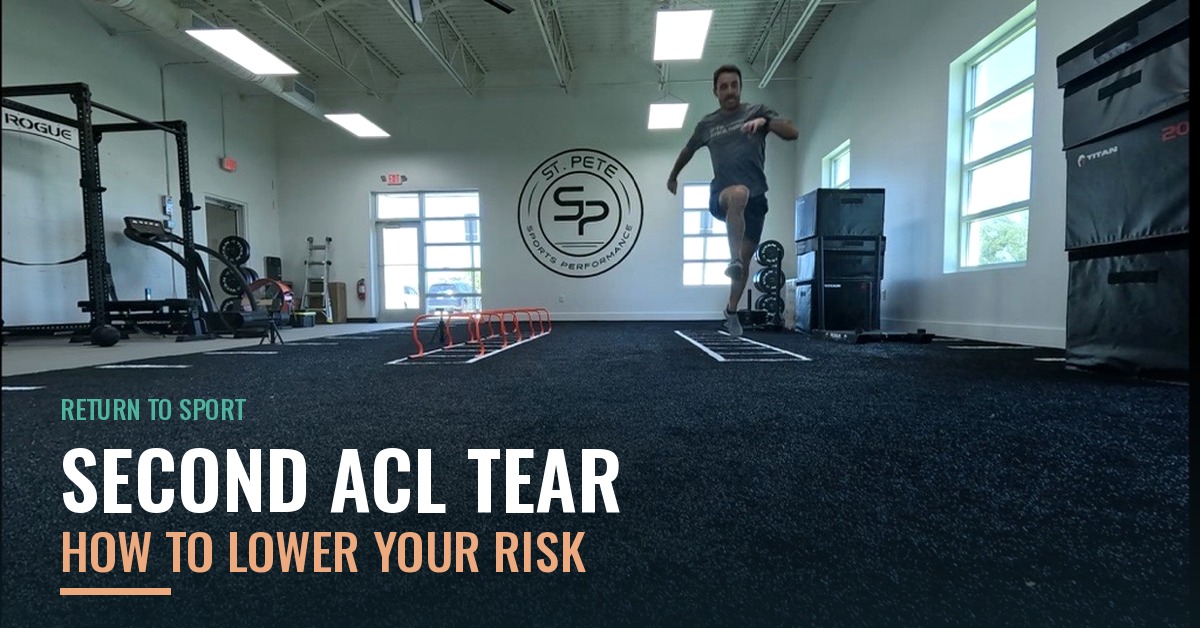
If you’ve torn an ACL, damaged your meniscus, or suffered repeated knee trauma, you carry a higher risk of what’s called post-traumatic osteoarthritis. The original injury alters how forces travel through the joint, and that altered loading wears cartilage down faster.
Repetitive, high-impact training adds to the load. As a result, runners, jumpers, and field-sport athletes may notice arthritis symptoms a decade or more before the general population does. That’s exactly why early recognition matters so much for active people.
Common Signs of Arthritis Knee Pain to Watch For
Spotting the early signals lets you act before the condition limits your training. Watch for these symptoms:
- Persistent knee pain after activity or long periods of sitting
- Morning stiffness that lingers longer than 30 minutes
- Swelling around the knee joint
- Clicking or grinding when you move
- A sense of instability, buckling, or weakness
- Reduced range of motion or trouble with stairs
These symptoms usually build slowly. At first, you might only feel it after a hard session or a long run. As things progress, however, the discomfort can creep into everyday tasks like climbing stairs or walking the dog.
How Sports Physical Therapy Helps
Living with arthritis knee pain does not mean giving up the activities you love. Physical therapy remains one of the most effective, non-invasive ways to manage symptoms and slow joint deterioration.
At St. Pete Physical Therapy, we focus on three things: improving joint mobility, calming pain, and strengthening the muscles that support the knee. Stronger quads, hamstrings, and hips absorb more force, which takes pressure off the arthritic area and protects the cartilage you still have.
Additionally, we coach you on smarter movement patterns and training modifications. For example, we might adjust your squat depth, fine-tune your running mechanics, or reprogram your strength work so you keep building fitness without triggering flare-ups.
When to See a Physical Therapist
Ongoing stiffness, pain that interferes with training, or growing trouble on stairs all signal it’s time to get evaluated. Waiting too long allows joint changes to advance and stretches out your recovery.
Reach out promptly if you notice any of these warning signs:
- Pain that lingers for several weeks despite rest
- Sudden changes in the size or shape of the joint
- Pain that disrupts your sleep or daily activity
- A knee that buckles or gives out
A thorough evaluation confirms whether arthritis is the real culprit and points you toward the treatment options most likely to work for your sport and your goals.
Keep Training With Healthy Knees
Arthritis in the knee can feel like a hard stop, but for most athletes it’s a manageable obstacle, not the end of the road. With early recognition and the right plan, many patients regain comfort, mobility, and the freedom to keep doing what they love.
Physical therapy gives you a safe, evidence-based path to manage symptoms and stay active. Whether you’re catching the first twinges or working through more advanced changes, a personalized plan helps you take charge of your joint health.
Ready to get ahead of arthritis knee pain? Contact St. Pete Physical Therapy to schedule an evaluation and build a care plan that keeps you moving.